
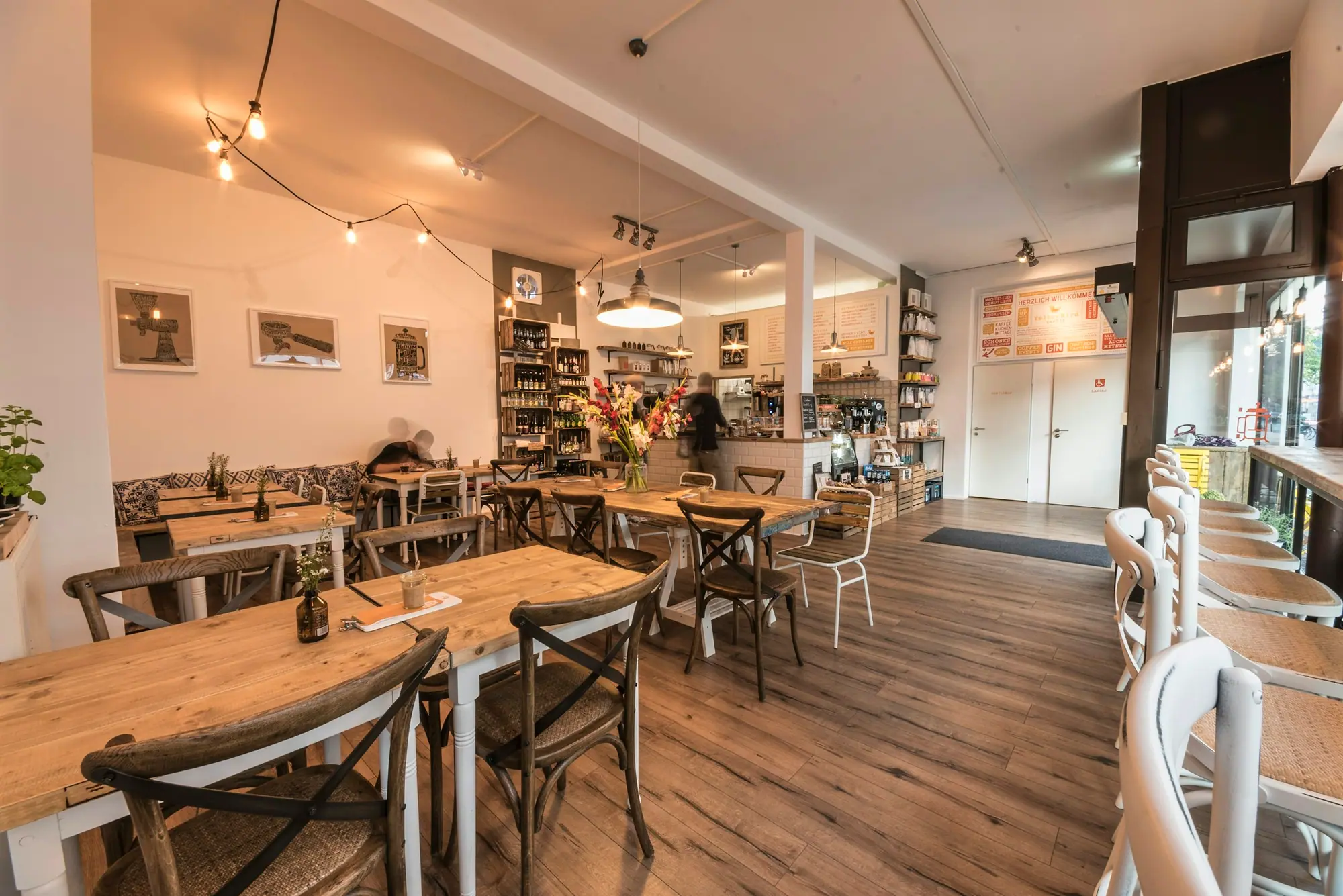
London · Restaurant & Café Renovations
Restaurant and Café Renovations in London, Ontario
London’s Waste Discharge By-law WM-16 caps fats, oils and grease in sanitary discharge at 100 mg/L, so every restaurant kitchen here needs a properly sized interceptor. Richmond Row, Dundas Place and Old East Village rooms sit in late-Victorian masonry, much of it in heritage districts. Plazas on Wellington and Wonderland roads trade character for easier services.
Restaurants in London
What’s different in London
| Permit office | City of London Building Division (official site, opens in a new tab) |
|---|---|
| Health unit | Middlesex-London Health Unit. Online Notice of Intent to Operate a Food Premises, then a pre-opening inspection. |
| Grease by-law | WM-16 caps fats, oils and grease at 100 mg/L. The City Engineer can require a grease device. |
| Sidewalk patio | Sidewalk Patio Permit with a 1.8 m clear path, $200 administration fee plus an annual area fee. |
| Heritage district | Downtown Heritage Conservation District (2013), about 339 properties. Storefronts, signs and rooftop units reviewed. |
| Fire sign-off | London Fire Department checks the hood and exits before opening. |
Worth knowing first
Old storefronts on Richmond Row and in Old East Village
London’s busiest food streets sit in older buildings. Richmond Row runs north from Dundas toward Oxford Street, lined with bars and cafés in two- and three-storey commercial blocks. Old East Village, east of Adelaide Street, has cafés and bakeries in late-1800s storefronts. Most of these have stone or brick cellars that need drainage, a new slab or more headroom before they hold dry storage or a walk-in. Many Richmond Row and Old East Village buildings have apartments or offices upstairs, so the grease duct needs a route past them. Late-night trade wears finishes fast, so we specify commercial-grade, replaceable ones.
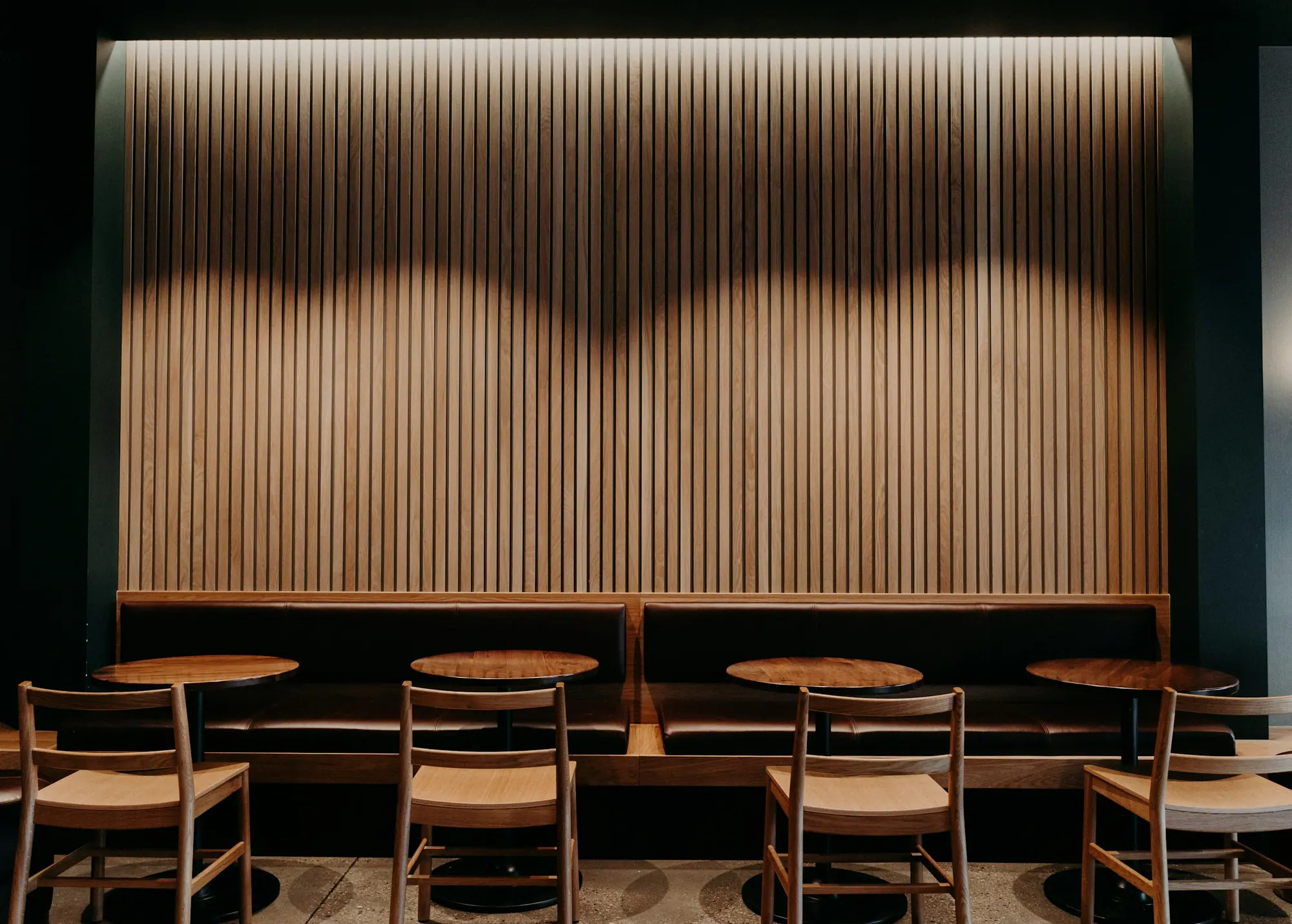
The scope, pricing tiers and 5-step process are the same everywhere we work. See Restaurant & Café Renovations ›
Frequently asked questions
Restaurants in London: three local questions
It caps the grease your kitchen can send down the drain. WM-16 limits fat, oil and grease of animal or vegetable origin to 100 milligrams per litre. The City Engineer can require a commercial owner or occupant to install and maintain a device that keeps grease out of the sewer. No kitchen meets that 100 mg/L limit reliably without an interceptor. We size it to the fixtures and place it where a pump truck can reach.
A dimensioned sketch, insurance, landlord permission and a clear walkway. The City asks for a sketch of the patio, building, curb, utilities and fencing, plus a copy of your City business licence and liability insurance. The layout must leave a 1.8 m (5 ft 11 in) clearway. Most permits are seasonal, and new applications carry a $200 fee plus an annual area fee.
Yes, for the storefront. Dundas Place runs through London’s Downtown Heritage Conservation District, designated in 2013. The City’s heritage planners review storefronts, windows, awnings, signs and visible rooftop equipment against the district plan. Interior work, including the kitchen, needs only a building permit, and a new sign still needs its own sign permit. Set the hood fan back from the Dundas Place street face.
Restaurants In London? Let’s Talk.
Book a free site visit. You'll get a written, itemised quote and a straight answer on permits and timing.
Financing available through Financeit. See options